

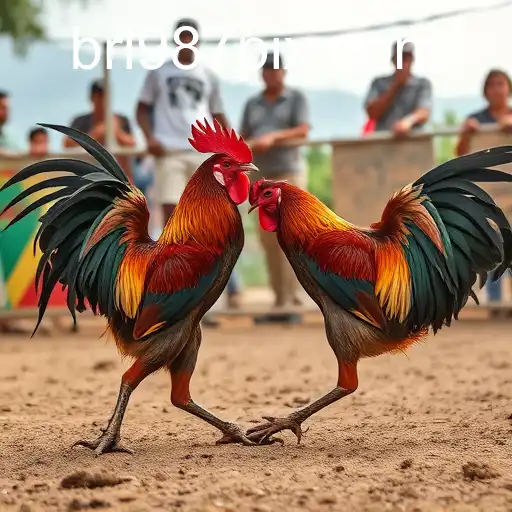
The Intricate World of Rinha de Galos: Culture, Controversy, and Climate
Introduction to Rinha de Galos
Rinha de Galos, or cockfighting, is a long-standing tradition that has been practiced in Brazil for centuries. Originating from ancient times, this event has been a point of cultural pride for some, while simultaneously drawing severe criticism from animal rights advocates and legislative bodies. Its legality and ethical standing are hotly debated, making it a focal point for discussions about culture, tradition, and morality in modern society.
A Historical Tradition
The roots of Rinha de Galos can be traced back to earlier civilizations where it was not only a form of entertainment but also a method of selecting the strongest and most resilient roosters for breeding purposes. Over time, this practice has woven itself into the cultural fabric of many regions, including parts of Brazil, where it is particularly prevalent. Supporters argue that it is a cultural tradition with deep historical significance, contributing to local economies and serving as a communal activity.
Rinha de Galos and Modern Legislation
In recent decades, the legality of Rinha de Galos has been called into question under Brazilian law. Animal cruelty is prohibited under the country's Penal Code, which is a major point of contention for proponents and opponents alike. Legislation has evolved over the years, often influenced by pressure from both domestic and international animal welfare organizations. The penalties associated with organizing or participating in Rinha de Galos can be steep, involving fines and even imprisonment.
Despite this, the activity persists, often in clandestine locations to evade law enforcement. This underground nature adds another layer of controversy, as it often involves illegal gambling operations and contributes to criminal activity. This cycle of legality and illegality contributes to the ongoing debate about the future of cockfighting in the country.FF999
Cultural Significance in Local Communities
For many local communities in Brazil, Rinha de Galos is more than just a sport; it's a social event that reinforces community ties. It's often an occasion where families gather, and community pride is at stake. For some, raising fighting roosters is an art form, requiring dedication in breeding, feeding, and training to produce champions.Win444
Many supporters view calls to ban Rinha de Galos as an attack on their way of life and cultural heritage. They argue that cultural traditions should be preserved, even as societies modernize and adopt new ethical standards.
Economic Implications: The BRL987 Debate
The economic dimension cannot be ignored when discussing cockfighting. Communities where Rinha de Galos is prominent often see economic benefits from the practice. The breeding and sale of fighting roosters can bring in significant income, with some birds being valued at several thousand Brazilian Reals. For instance, the term 'BRL987' has been coined in certain areas to describe medium-tier fighting roosters in the market, highlighting their perceived value and economic contributions.Win444
These financial interests complicate efforts to ban the activity outright, as it could potentially disrupt local economies reliant on this unique form of livestock trade. Thus, the debate often extends beyond morality and legality to include the economic impacts on livelihoods in rural regions.
Animal Welfare Concerns
Animal welfare organizations consistently highlight the cruelty involved in Rinha de Galos. Roosters are often equipped with blades or spurs, which inflict severe injuries or death, emphasizing the harsh and brutal nature of the events. Opponents argue that no cultural practice should justify the suffering endured by these animals.
Efforts to raise awareness about animal cruelty have been successful in some areas, leading to increased legal scrutiny and public pressure. This has resulted in a slow but growing trend towards reducing the prevalence of cockfighting, though challenges remain.
Environmental and Ethical Considerations
The environmental impact of Rinha de Galos is sometimes underestimated. The breeding and maintenance of large numbers of roosters contribute to local resource consumption. Furthermore, the issues of biosecurity and animal health arise, as dense populations of fighting roosters can facilitate the spread of diseases, which may then affect other poultry or wildlife.
Ethical considerations are multifaceted. The debate often pits cultural preservation against evolving standards of animal rights and welfare. As global attitudes shift towards greater compassion for animals, the ethical justification for Rinha de Galos becomes increasingly difficult to defend. Yet for some, the need to maintain cultural identity remains paramount, complicating the narrative.Win444
Conclusion: Navigating the Complex Terrain
The future of Rinha de Galos in Brazil remains uncertain. As stakeholders from various spheres continue to engage in this multifaceted debate, finding a balance between cultural heritage, economic necessity, and evolving ethical standards will be challenging. For those advocating change, collaboration with local communities to find alternative means of cultural expression and economic activity may offer a path forward, blending tradition with modern values. With the conversation ongoing, the role of education, legal reforms, and societal dialogue will be crucial in shaping the destiny of Rinha de Galos in the coming years.
FF999